Introduction: More Than Just a Job Change — It’s a Life Shift
Every time we place a person into a new role, one thought always crosses my mind:
How will this person emotionally, mentally, and culturally match the new organization?
People are not just resumes or skillsets. They come with minds, emotions, values, habits, attitudes, and lived experiences. For someone who has spent 5, 15, or even 25 years in a single organization — right from being a fresher to becoming a seasoned professional — that company becomes part of their identity. They are not just adjusting to tasks; they are leaving behind a culture they lived in, relationships they nurtured, and a comfort zone they built over years.
There was a time when people joined one company and retired from it. That stability shaped loyalty and deep-rooted cultural alignment. But today, the landscape has shifted. I’ve seen professionals changing jobs every year, sometimes even twice in a year. The reasons may vary — better opportunities, dissatisfaction, or external pressures — but one thing remains common: the emotional challenge of starting over.
Let’s explore what truly happens when a human being — not just a ‘resource’ — enters a new organizational world.
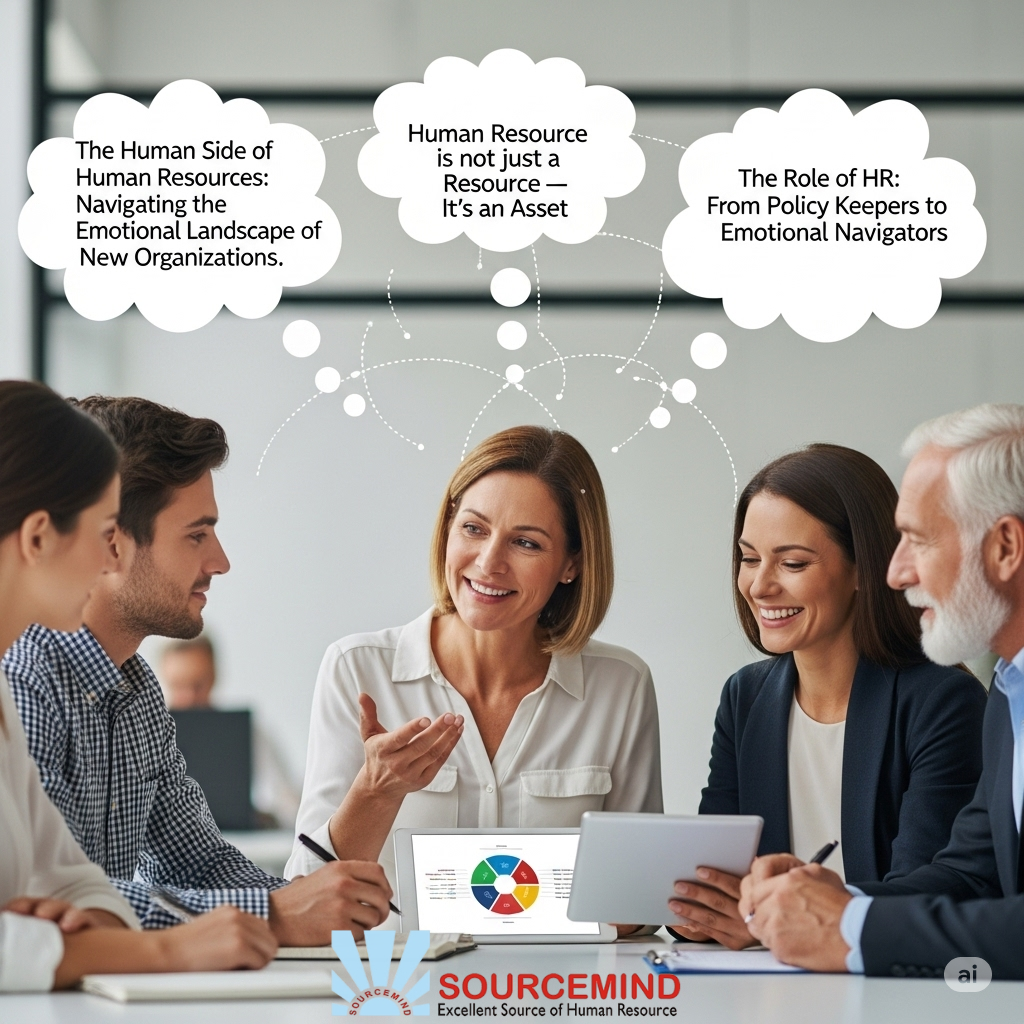
Human Resource is not just a Resource — It’s an Asset
The term Human Resource is often misunderstood. Unlike machines, tools, or services, human beings are not items to be consumed or replaced. They are living assets — with personalities, emotions, and social depth.
An employee brings much more than technical skills to the table. They carry:
- A specific mindset
- A unique emotional framework
- Habits shaped by years of routines
- Attitude molded by past leadership and culture
- Human traits like ambition, selfishness, empathy, or even greed
- A network of relationships and reputation
To treat them merely as “resources” is to ignore the very essence of what makes organizations function at a human level.
Changing Jobs Means Carrying Emotional Baggage
When someone joins a new organization, they don’t just bring experience — they bring history.
Whether they worked in their previous company for two years or two decades, they bring:
- Work habits and expectations
- Communication style and emotional reactions
- Trust issues or confidence based on past experiences
- Deep-rooted assumptions about leadership, teamwork, and recognition
This emotional and psychological baggage doesn’t disappear on day one. It travels with them, often unconsciously, and affects how they adjust to the new environment.
Leaving the Comfort Zone Is Emotionally Demanding
The biggest struggle in transitioning to a new organization is stepping out of a comfort zone.
In their previous workplace, they had:
- Familiarity with systems, teams, and routines
- Emotional safety and known boundaries
- Social bonds and shared history
- A reputation and identity that made them feel valued
Now, they must start all over again — prove themselves, build new relationships, learn new systems, and align with an unfamiliar culture. This process can lead to emotional exhaustion, frustration, or even self-doubt, especially if the new organization doesn’t recognize or support this transition.
The Role of HR: From Policy Keepers to Emotional Navigators
Modern HR must go beyond hiring and onboarding checklists. It must understand and manage the emotional and cultural integration of people.
This includes:
- Recognizing emotional discomfort and culture shock
- Supporting employees who feel lost or disconnected
- Helping teams understand the value and complexity of new colleagues
- Creating an environment where people feel safe to be themselves
HR must become the bridge between where a person is coming from and where they are trying to go.
How Organizations Can Support Human Adjustment
Organizations that value the human aspect of HR must build intentional support systems for emotional integration:
- Empathetic Onboarding: Focus not just on processes, but also on feelings and human connection.
- Buddy/Mentor Programs: Assign internal guides who understand both the culture and emotional challenges.
- Open Conversations: Encourage honest discussions around what’s working and what’s not.
- Culture Coaching: Help newcomers navigate the invisible rules and social codes of the organization.
- Celebrate Small Wins: Recognize not just performance but emotional progress.
Conclusion: See the Person, Not Just the Position
In today’s fast-moving job market, employees are switching roles more frequently than ever. But behind every transition lies an emotional journey — sometimes exciting, often overwhelming.
Let’s not forget:
When a person joins a new company, they bring their entire self — their strengths, their struggles, and their story.
To truly build great organizations, we must stop seeing humans as “resources” and start seeing them as people. Because only when we honor the full human experience, can we build cultures where people don’t just work — they belong, grow, and thrive.
Comments are closed.